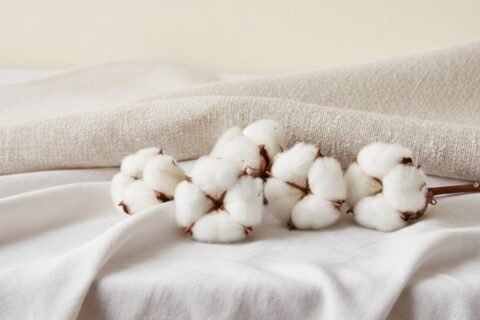
When choosing clothing or textiles, cotton and polyester are two of the most common materials you’ll encounter. While they may look similar at first glance, these fabrics behave very differently in terms of comfort, breathability, durability, and care.
Understanding the differences between cotton and polyester can help you make better decisions when selecting clothes for everyday wear, work, or relaxation.
In this article, we’ll compare cotton and polyester side by side and explain their key differences in a clear, practical way.
1. What Is Cotton and What Is Polyester?
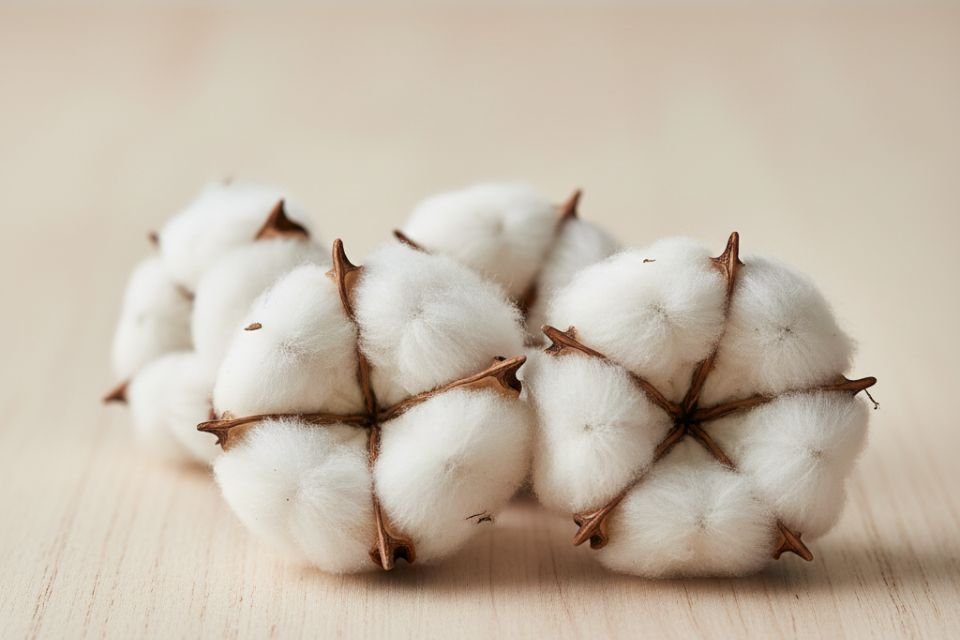
Cotton is a natural fiber harvested from the cotton plant. It is plant-based, breathable, biodegradable, and widely valued for its softness and comfort.
Polyester, on the other hand, is a synthetic fiber made from petroleum-based chemicals. It is engineered to be strong, wrinkle-resistant, and long-lasting.
While cotton comes from nature, polyester is a man-made material designed to meet specific performance needs.
2. Comfort and Feel on the Skin
Cotton is generally softer and more breathable, making it comfortable for long periods of wear. It feels natural against the skin and becomes softer over time with washing.
Polyester tends to feel smoother and slightly slicker. While it can be comfortable, some people find it less pleasant in hot or humid conditions because it traps heat more easily.
3. Breathability and Temperature Control
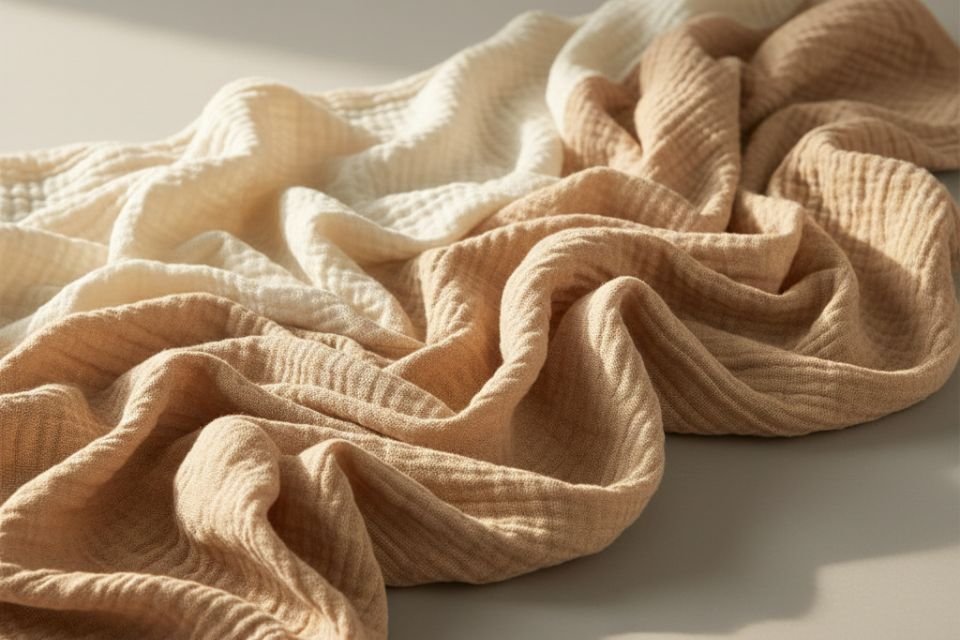
One of cotton’s biggest advantages is breathability. Cotton fibers allow air to circulate freely, helping regulate body temperature and reduce overheating.
Polyester is less breathable. It tends to hold heat and moisture, which can make it feel warmer, especially in hot weather.
This difference makes cotton more suitable for everyday wear and warm climates, while polyester is often chosen for cooler environments or performance-focused garments.
4. Moisture Absorption and Sweat Management
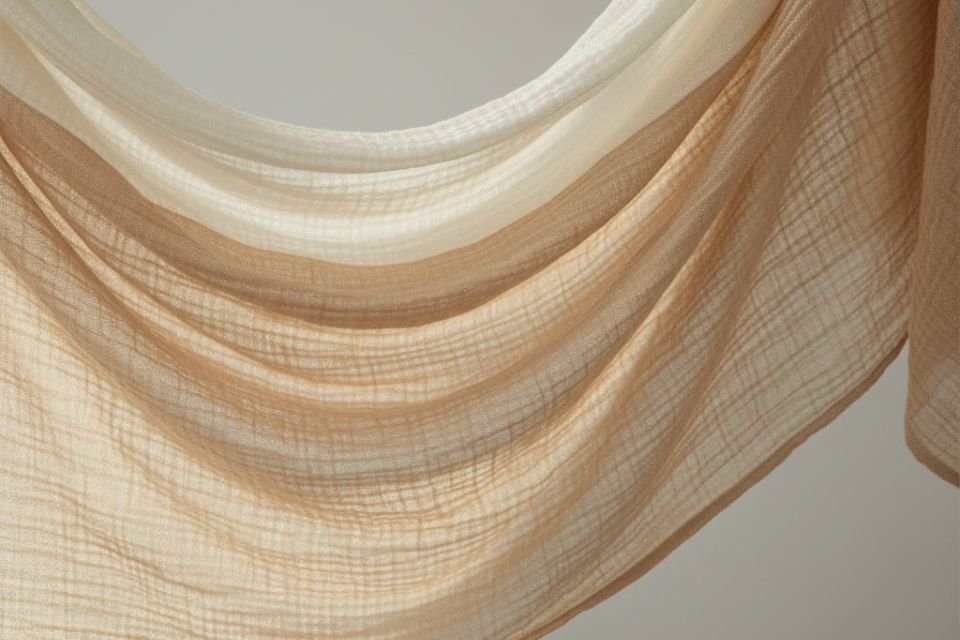
Cotton absorbs moisture well, pulling sweat away from the skin. This can feel comfortable in light activity but may cause the fabric to stay damp longer.
Polyester does not absorb moisture. Instead, it dries quickly and often wicks moisture to the surface, which is why it’s commonly used in sportswear.
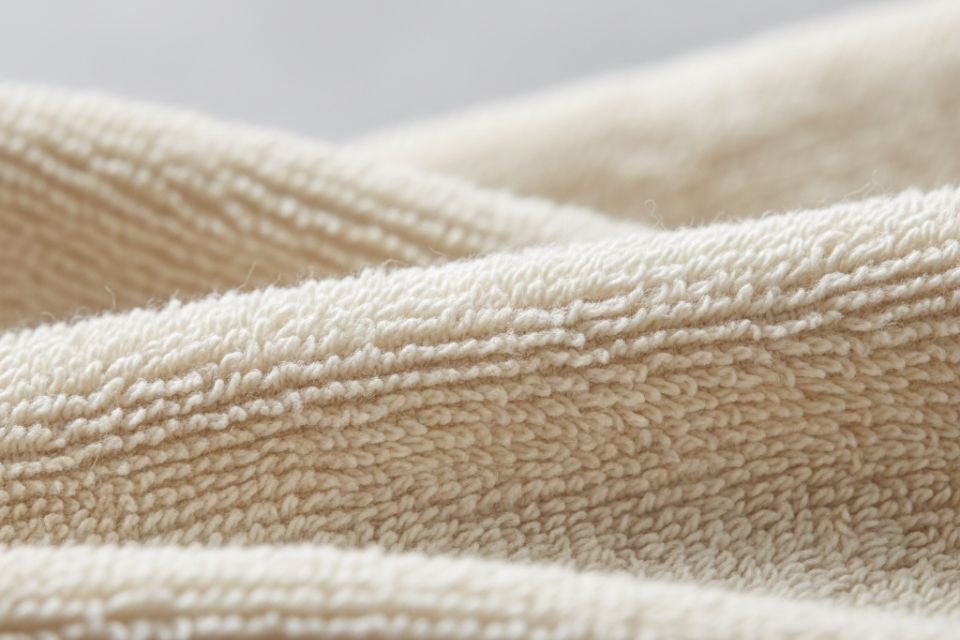
5. Durability and Longevity
High-quality cotton is durable but may weaken over time, especially with frequent washing and high heat.
Polyester is extremely strong and resistant to shrinking, stretching, and tearing. It generally lasts longer and holds its shape well.
This durability makes polyester a practical choice for garments that require frequent washing or heavy use.
6. Wrinkle Resistance and Shape Retention
Cotton wrinkles easily and may lose shape if not cared for properly. Ironing is often required to maintain a neat appearance.
Polyester is naturally wrinkle-resistant and holds its shape well, making it low-maintenance and easy to care for.
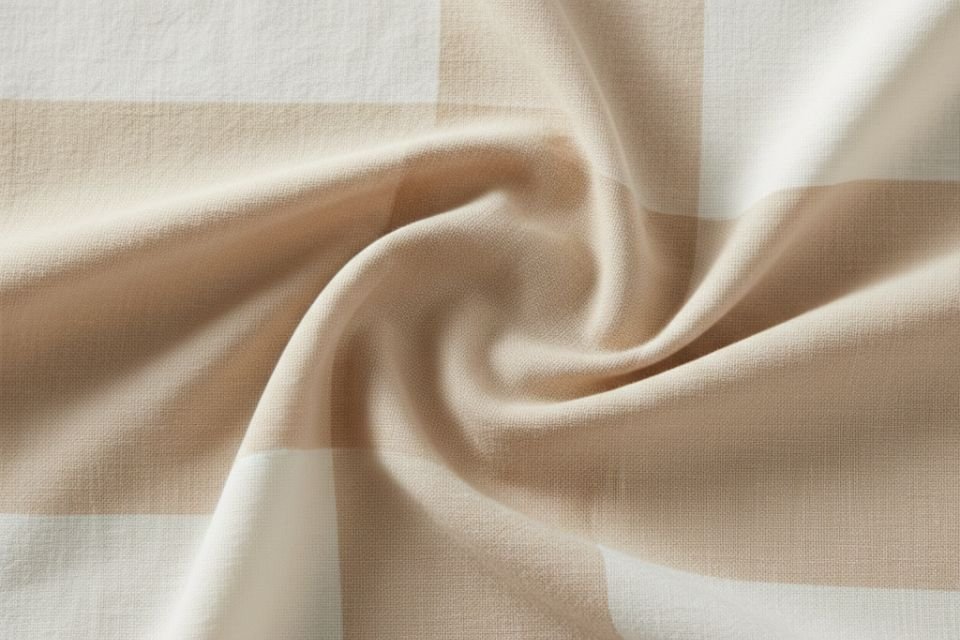
7. Care and Maintenance
Cotton usually requires gentler care:
- Washing in cold or warm water
- Avoiding high heat drying
- Ironing when needed
Polyester is easier to care for:
- Machine washable
- Quick drying
- Rarely needs ironing
8. Environmental Impact
Cotton is biodegradable and renewable, but traditional cotton farming can require significant water and pesticide use.
Polyester is not biodegradable and is made from fossil fuels, but it often lasts longer and may require less frequent replacement.
Both materials have environmental pros and cons depending on how they are produced and used.